


 Pulse VS AC Frequency control. Which does What??
So, I've been doing research for months and made the decision that the EVERLAST PowerTig 250EX fits the bill perfectly for what I'm looking for. Question 1. If all conditions were equal, and one were to set the pulse at 240 hz and the ac frequency at 120, and run a bead, then reverse the settings, what would be the difference?? The reason I ask is that most other machines at this price point (and beyond) don't offer anything close to the range of adjustability, just would like to know the benefits. PS when I get mine, I will opost pics so we'll all know

 Reply With Quote


 Originally Posted by performance


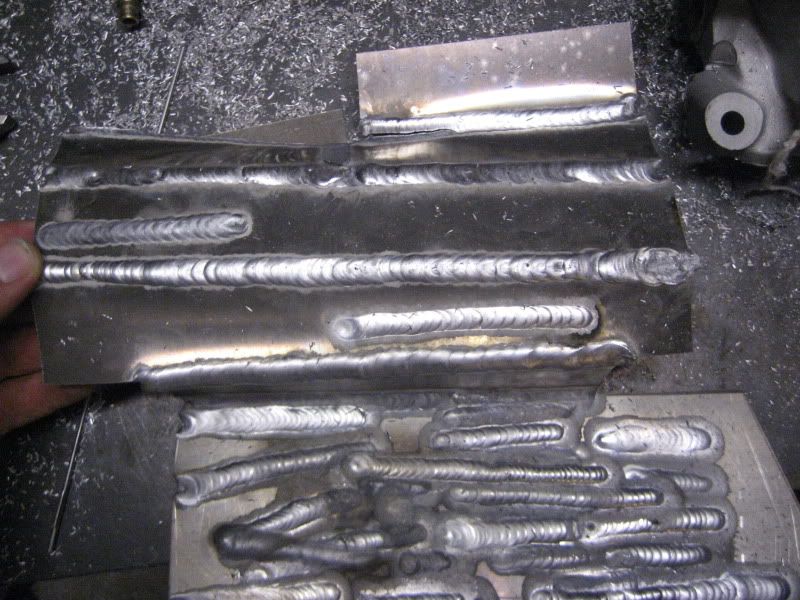
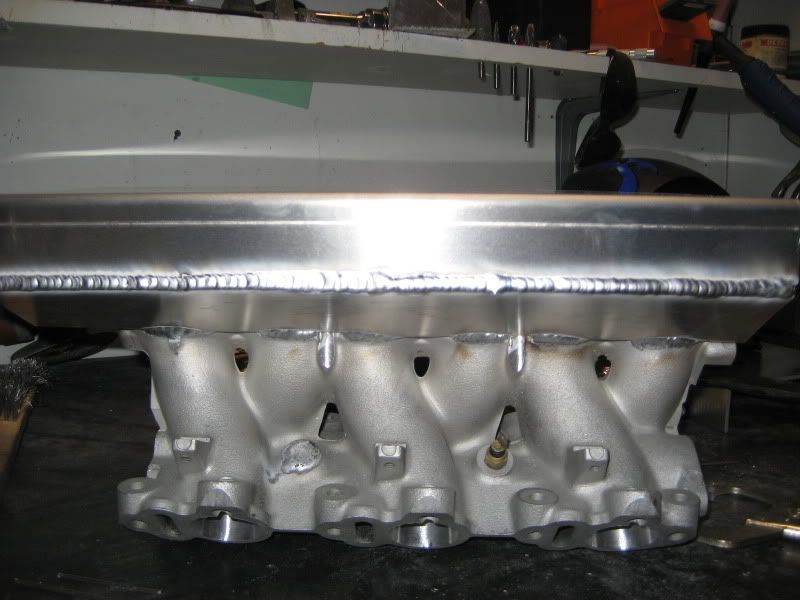
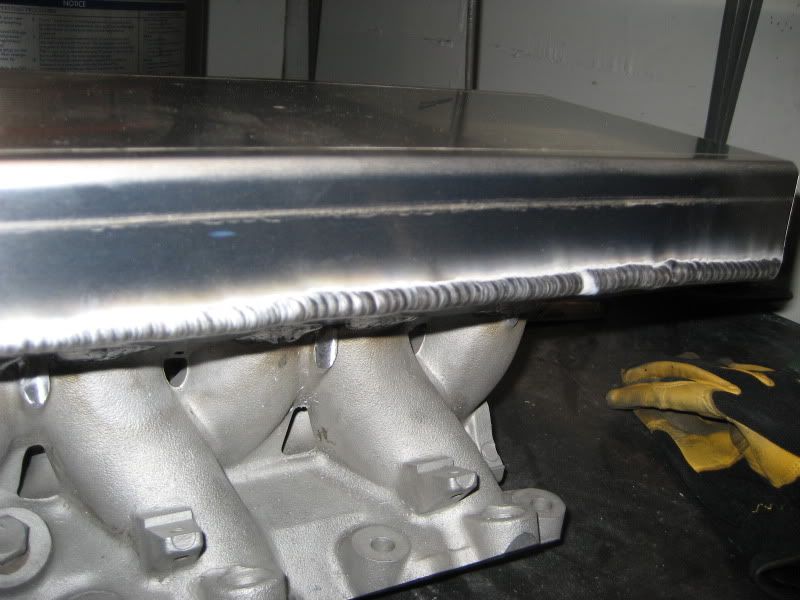
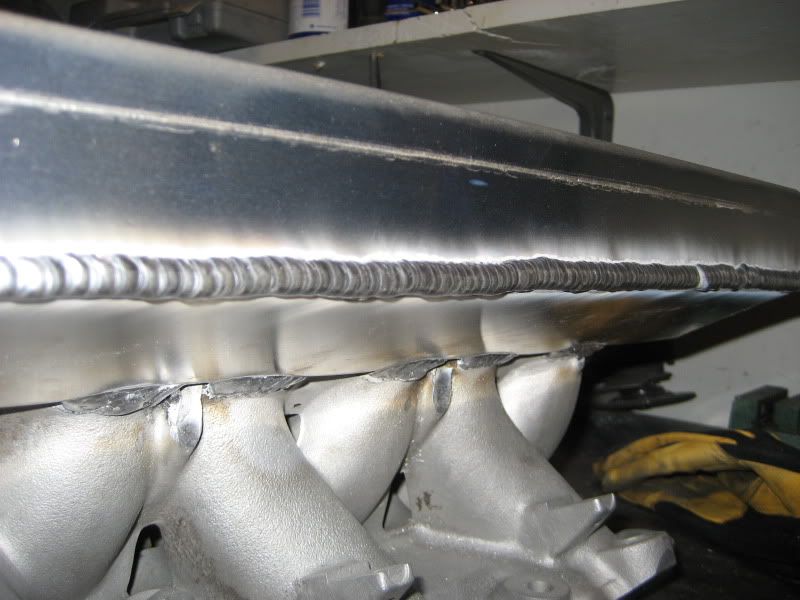
 Not to beat a dead horse but..please humor me
 )
)


